What Happens Inside the Room After Old Windows Come Out of a Mid Century House
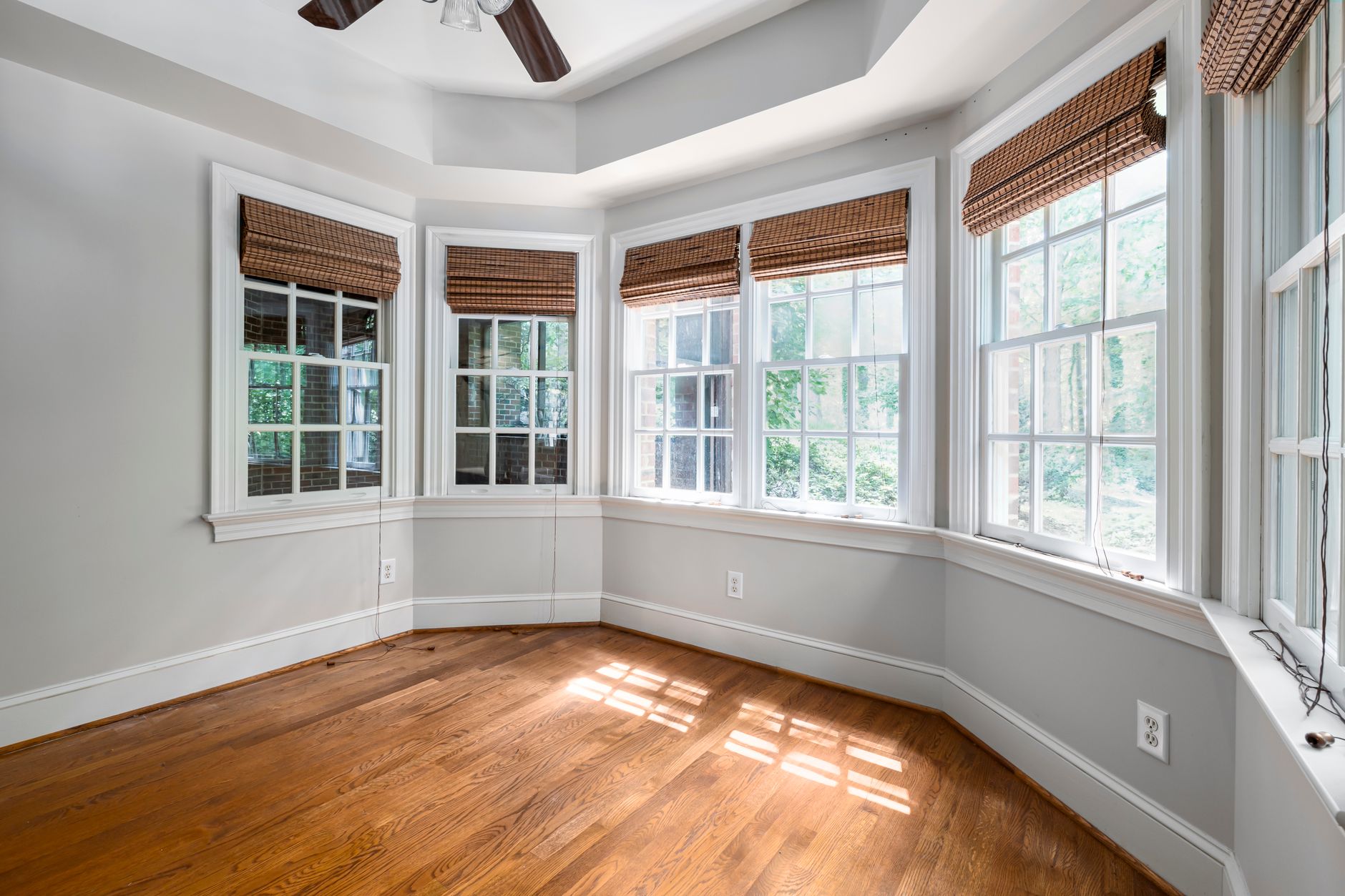
The new window gets all the attention, but the inside of the wall decides how the finished job looks and performs. When an aluminum window from the 1950s or 1960s comes out, the room is left with a rough opening, bare framing, a gap around the edge and a ring of damaged paint. How each of those is handled separates a clean job from one that shows its seams for years.
Houses in San Bernardino from that era were built with a few common interior details, and most of the questions below come from them.
What is a drywall return and why does it matter?
A drywall return is the short strip of drywall that wraps the thickness of the wall at the window opening, running from the inside face of the wall to the window frame. Many mid century houses have no wood casing around the windows at all. The drywall simply turns the corner and ends at the aluminum frame, which has a thin flange that hid the joint.
When the aluminum frame comes out, that flange goes with it. The edge of the drywall is left raw, often cracked or crumbled where the old frame was screwed in. A new vinyl or fiberglass frame sits in a slightly different position, so the return has to be cut back, patched and finished to meet it.
How wide is the gap around a new window, and what fills it?
The gap between the new frame and the framing is usually about a quarter to a half inch on each side. That space lets the installer shim the unit plumb and level, and it has to be filled to stop air and sound.
The filler is a low expansion foam made for windows. Regular foam expands with enough force to bow the frame and jam the sash, which is the most common way a new slider ends up sticking. Window foam stays soft, fills the cavity and cures without pushing. Where the gap is wide, backer rod goes in first and sealant goes over it.
Fiberglass batting stuffed in by hand is the old method, and it leaves voids. Air moves around it, and moisture settles in it. Foam seals to both the frame and the wood, so it keeps the cavity closed.
What are the choices for finishing the inside edge?
There are three common ways to finish the inside of the opening, and each suits a different house:
- A drywall return, taped, mudded, sanded and painted, which gives the clean modern look many mid century rooms already had
- A wood or composite stool and apron, which is a flat sill with a trim piece beneath it, plus casing on the sides and top
- A vinyl or fiberglass interior jamb extension, a flat piece that comes from the factory and covers the opening depth
The drywall return matches the original look and is the least visible once painted. Wood trim adds a defined edge and hides small gaps, and it costs more labor than a return. A jamb extension is quick, but it only works well where the opening is flat and straight.
Why does the wall sometimes need patching around the window?
The wall needs patching because the old frame was fastened through the drywall and, in some houses, was glued or caulked to it. Removing it tears paper and plaster along the edge. Small nicks fill with joint compound, but a ragged edge means the drywall is cut back to sound material and a new strip is screwed to the framing.
The stucco outside has the same issue. When the nail fin is cut and peeled, a band of stucco around the opening is cut back and patched. The inside and the outside patches are done in separate steps, since stucco needs days to cure and drywall mud needs hours.
How long before the walls can be painted?
Painting waits for the compound to dry through. Joint compound on a small patch is dry in a day if the room is warm, and a thick fill can need two coats with a day between each. A primer coat goes on before paint, because new compound soaks up paint unevenly and shows as dull patches called flashing.
The dry climate in the San Bernardino valley speeds this up in summer. In winter, when the nights are cool and the house is closed up, the compound takes longer. A fan and an open window across the room help, though not while a Santa Ana wind is pushing dust through the house.
What about blinds, curtains and window coverings?
Coverings come down before the work starts, and a few details change when they go back up. A new window may sit deeper or shallower in the wall than the old one. Brackets for blinds that were screwed into the old return land in fresh drywall and need new anchors, so it helps to plan where the hardware will go before the finish coat of paint.
Vinyl and fiberglass frames are rigid, so screws into them need pilot holes. Screws driven straight into a thin vinyl wall can crack it. Mounting into the framing behind the frame or into the trim is the safer way.
Do new windows change how the room feels?
They change it in a few ways that people notice quickly. The glass area often looks slightly smaller because a vinyl frame is wider than the thin aluminum one, and the sash lines are thicker. Light enters differently, since a low e coating gives the glass a faint tint, usually noticeable only in side by side comparison with an older pane.
The air changes more than the light. A room that used to carry a faint draft along the sill stops doing it. Rattling at night during windy weather fades, and the sounds from the street and from passing trains drop in volume. Those changes show up on the first windy evening, which is when a well sealed unit proves itself.
What should be checked once the crew has left?
A short walk through the room confirms the work. Slide or swing each sash through its full range and lock it. Look at the sealant lines inside and out for gaps or smears. Run a hand along the trim and the returns to feel for rough spots or loose edges.
Check the weep holes at the bottom of the frame, the small slots that let water leave the frame. They should be clear and unpainted. Painted shut weep holes trap water in the sill track, which brings back the condensation problems of the old window in a new frame.
Finally, look at the glass. Stickers and manufacturer labels peel off in a few days, and a tempered mark in the corner is normal. A lite with any scratches or chips is noted right away, because the factory can only act on a defect reported promptly.
Where do the old windows go?
The old frames are cut out, carried out through the room and loaded for scrap. Aluminum is recycled readily, and the glass is separated because it cannot go with the metal. A tarp under the work area catches fragments, and a vacuum with a fine filter finishes the floor so the dust that comes from stucco and drywall does not stay in the house.
The interior of a replacement job is where the care shows. A tight foam fill, a clean return and a primed patch make the window look like it was always there.